

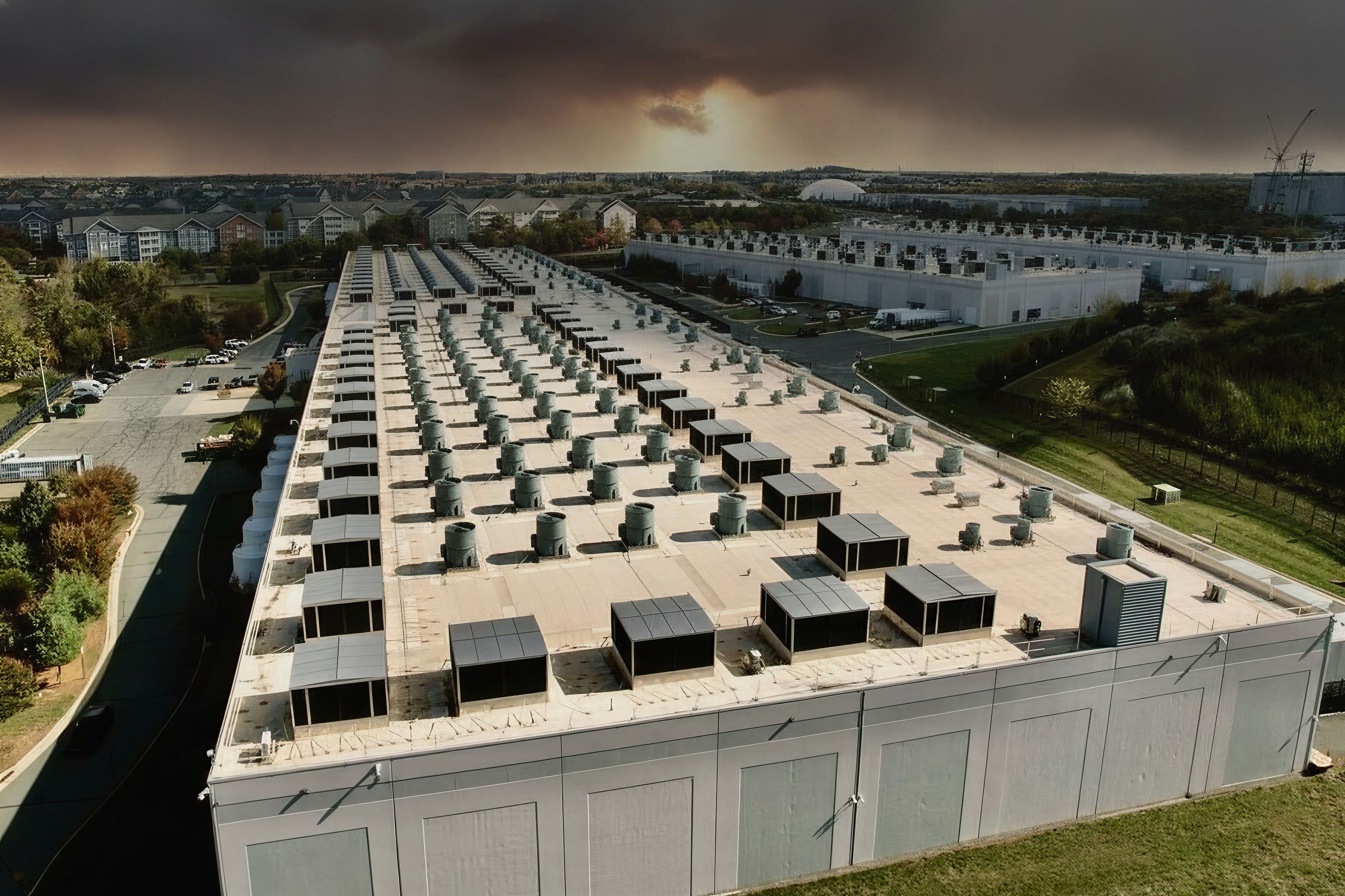
SILICON VALLEY, CALIFORNIA (SEPTEMBER 23, 2026) — The data center construction boom is the big new issue of this political season.
Supporters say AI data centers are essential infrastructure for economic growth, job creation, and national competitiveness in AI against China.
Opponents say data centers cause environmental and resource problems for nearby communities while delivering most of the benefits to distant shareholders.
These arguments are not balanced. The first is overstated, and the second is understated.
Personally, I’m in favor of data centers. If companies want to raise billions of dollars, spend it on the costs of building and operating data centers, and then try to recoup those costs by monetizing AI, I’m all for it.
But that’s not what they’re proposing.
Their proposition is that they pay some of the costs and reap all of the profits, while the public pays some of the costs and reaps none of the profits.
Data center companies directly pay for land acquisition, construction, servers and GPUs, networking equipment, software and licensing, on-site electricity consumption, cooling systems, security, on-site labor, and debt financing: essentially the capital and operating costs that appear on their own balance sheets.
But the construction generates all kinds of costs paid by you and me that don’t show up in their books: dramatically higher prices, for example, for electricity, land, housing, consumer electronics, and cars (AI data center demand for memory chips is estimated to add between $880 and $1,470 to the production cost of a premium smart electric vehicle, according to semiconductor industry analysts). We also pay the additional costs of water depletion, air pollution-related healthcare costs, carbon externalities, farmland loss, and skilled-trades wage inflation.
THE NEW THING: The Gastronomad Pubcast: “Pizza, barbershops, and temples in Sicily”
READ: The Attachment Economy, Computerworld, Gastronomad newsletter, Gastronomad book
LISTEN: Superintelligent, TWiT, Gastronomad podcast
JOIN: The Gastronomad Experience
FOLLOW: Gastronomad on Surf Social, Machine Society on Surf Social, Bluesky, Reddit, Notes, Mastodon, Threads, X, Instagram, Facebook, Linkedin!
LOOK AT: Mike Elgan Photography
In some cases, we pay much higher taxes so the data center companies are paid directly for incentives. Virginia’s data center tax exemption alone rose to $1.6 billion in forgone revenue in a single fiscal year. Georgia’s exemptions are projected to hit $2.5 billion this year. Some 32 states have subsidy programs for data centers.
The data center proposition is a massive transfer of wealth from the lower and middle classes to the billionaire class.
OpenAI’s $20-per-month ChatGPT subscription is only possible because it’s heavily subsidized by Microsoft, state governments and the public. And even with all those subsidies, OpenAI loses money on every single user. Sam Altman has said so publicly.
What all these subsidies are hiding is that AI and its data centers are way too expensive.
That’s why they’re picking your pocket: so they don’t have to charge prices that reflect their actual costs, like other businesses do.
The oligarchs who control the AI industry are counting on oligarchs in government, including the president, to deliver this massive transfer of wealth from the people to the oligarchs.
From the point of view of the oligarchs, the data center companies are proposing a transfer of wealth called “legal plunder,” a phrase coined by French economist Frédéric Bastiat in his 1850 pamphlet “The Law.” Unlike regular theft, “legal plunder” is theft that’s accepted by the legal system, i.e., is legal. What they’re proposing is legal because the oligarchs in government allow it and, in many instances, stand to personally benefit.
But from the public’s point of view, it’s theft. We want to keep our money. They want to take it. And so they take it because they can.
